Walk the Dog: A Practical Embroidery Design Review
As a designer who’s stitched hundreds of custom projects—from boutique baby onesies to Etsy-ready embroidered totes—I opened Walk the Dog expecting something cheerful and light. What I found was more nuanced: a compact, friendly silhouette with quiet confidence. It’s not flashy, but it’s purpose-built—not for showy centerpieces, but for thoughtful, everyday handmade products where charm meets clarity.
First Impressions: Friendly, Not Fussy
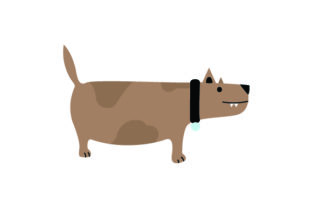
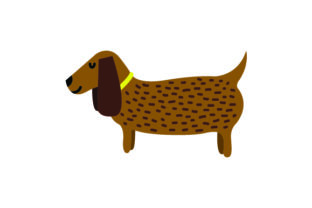
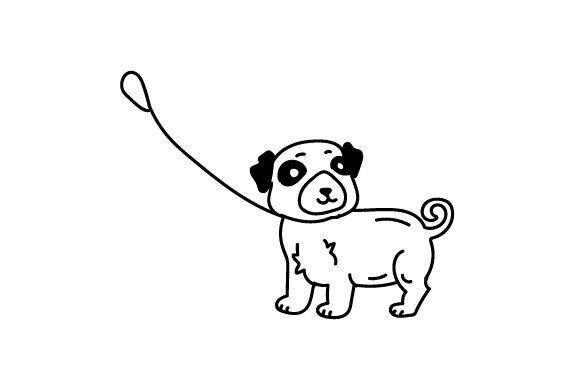
Walk the Dog lands as a clean, balanced composition—two figures (a person and a dog) in gentle motion, side by side. The lines are smooth, the proportions relaxed, and the negative space intentional. There’s no clutter, no excessive detail in paws or leashes—just enough to read instantly, even at 2.5 inches tall. That makes it feel like a planner-grade idea: functional, repeatable, emotionally warm without leaning into cutesy overload.
I immediately pictured it on a linen tea towel—stitched in soft ecru thread—and then on a charcoal sweatshirt for a small shop’s “Dog Lover” collection. It doesn’t shout. It invites. And that’s rare in embroidery files that try too hard to be clever or intricate.
Where It Shines: Real Projects, Real Customers
This isn’t a design that needs a gallery wall—it thrives in context. As a machine embroidery design, Walk the Dog holds up beautifully on structured yet breathable fabrics: medium-weight cotton twill for tote bags, French terry for sweatshirts, and quilting cotton for pillow covers. On a custom embroidered apron for a local bakery’s dog-themed pop-up? Perfect. On a baby onesie for a “Puppy Love” welcome gift? Yes—especially if stitched with lightweight stabilizer and low-density fill stitch to keep it soft against skin.
It also translates well to embroidered patch use. Because the outline is clear and the interior shapes are open—not overly dense—it presses cleanly and layers reliably onto denim jackets or backpacks. For an Etsy seller, that means fewer customer notes about stiff backing or puckering. For a craft business, it means faster turnarounds and consistent quality across batches.
And yes—it works in holiday embroidery. Stitched in red-and-khaki thread on a canvas stocking? Warm and understated. Paired with a simple “Happy Holidays” script in a coordinating font? It becomes part of a cohesive set—not a standalone gimmick.
Where to Pause: Fabric, Fit, and Function
Walk the Dog isn’t magic on every surface. On highly textured fabrics—like bouclé or thick terry cloth—the finer curves (especially around the dog’s ear or the leash curve) can blur unless you adjust stitch density manually or add a tear-away + cutaway hybrid stabilizer. On thin fabric like rayon challis or lightweight voile? Test first. Even a modest fill area can telegraph through without proper backing.
Stretchy fabrics—think jersey tees or ribbed knit caps—need extra attention. The design’s horizontal flow means it’ll stretch *with* the grain, but if hooped too tightly or stitched without stabilizer designed for knits, the figures can skew slightly. Always do a test run on scrap before committing to a client’s favorite sweatshirt.
Dark fabric? No problem—Walk the Dog reads clearly in light thread, especially with a satin stitch outline. But avoid ultra-fine running-stitch versions for commercial work; they won’t hold up to frequent washing on kitchen towels or baby items. Stick with balanced fill and outline combos for durability.
Design Assets That Earn Trust
What makes Walk the Dog valuable beyond aesthetics is how it supports professionalism. When customers see this on a handmade product, they don’t just register “dog.” They register care—clean lines, intentional spacing, visual calm. That builds trust faster than a busier, trend-chasing motif.
For a small shop product, it adds quiet brand consistency: same motif, different applications (tote, tea towel, pin). For a digital embroidery file seller, it’s versatile enough to bundle with seasonal color palettes or pair with coordinating paw-print borders—without feeling forced.
And because it avoids tiny lettering or micro-details, it scales well in printable mockups. You can preview it realistically on light and dark backgrounds, assess contrast early, and present confident listings—no last-minute panic over unreadable thumbnails.
Practical Designer Notes Before You Stitch
- Test on scrap fabric first—especially if using textured, stretchy, or dark materials.
- Check thread color contrast before stitching on final pieces. Light gray on oatmeal linen? Lovely. Pale yellow on cream cotton? Might disappear.
- Review stitch density. If your machine defaults to high-density fills, reduce it slightly for baby items or lightweight apparel.
- Confirm hoop size. This design fits comfortably in a 4x4 hoop—but verify your version’s exact dimensions before digitizing or resizing.
- Inspect small details in your embroidery software: leash thickness, spacing between figures, edge smoothness. Tiny gaps can vanish mid-stitch.
- Test black-and-white mockups to ensure readability without color crutches.
- Use proper stabilizer: cutaway for knits, tear-away for stable wovens, fusible for lightweight linens.
- Confirm licensing before selling finished items or bundling the digital file. Since Walk the Dog is listed under Crafts, assume personal and small-batch commercial use is intended—but always double-check terms.
In short: Walk the Dog isn’t just another clipart-style embroidery file. It’s a quietly capable design asset—one that earns its place on real products, real shelves, and real customers’ favorite things. Whether you’re stitching a single personalized gift or building a line of dog-themed handmade products, it delivers clarity, warmth, and wearability—without asking for extra effort.